

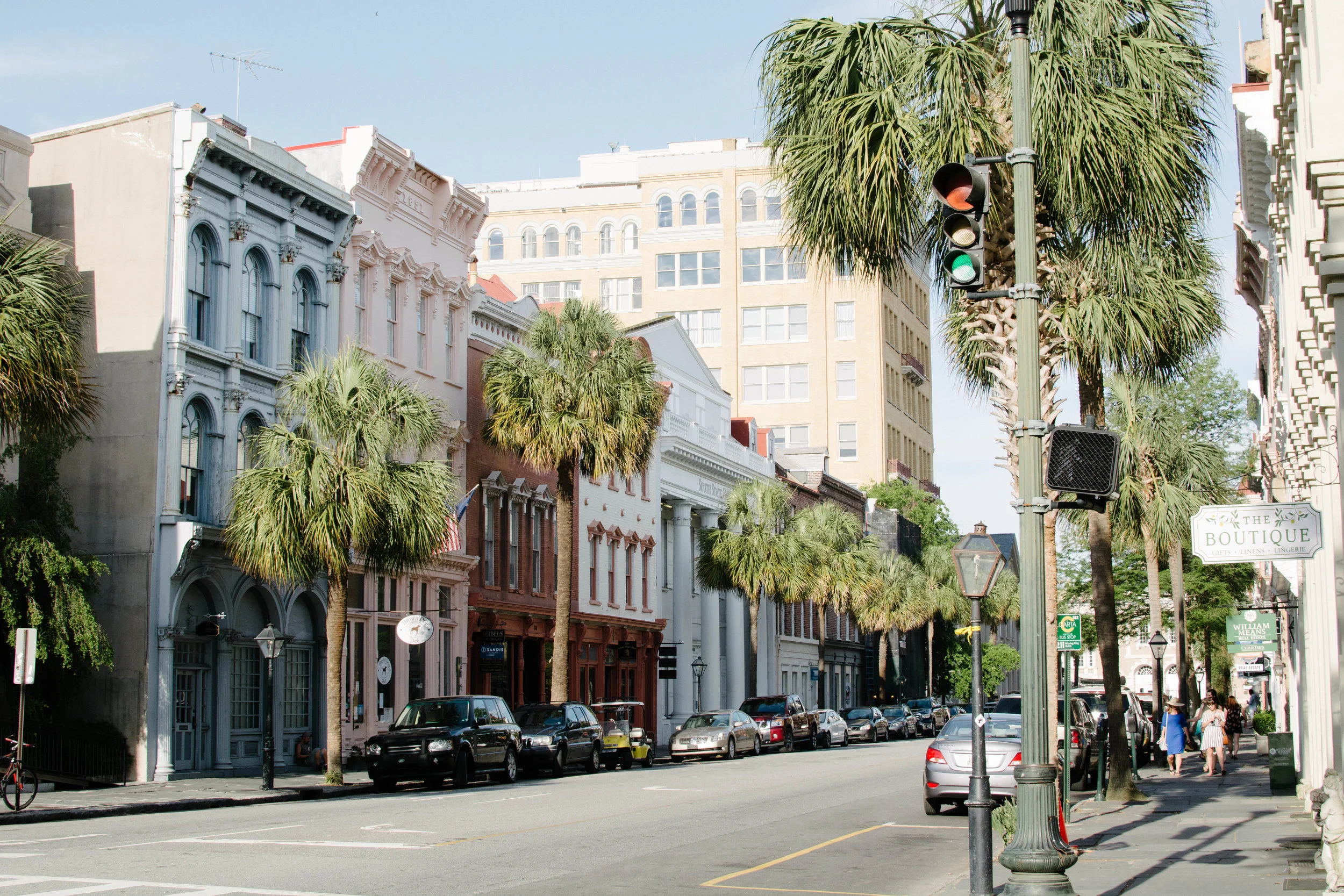
48 Hours in Charleston
What to do, where to stay and what to eat for a short getaway to the Lowcountry.


Travel Notes
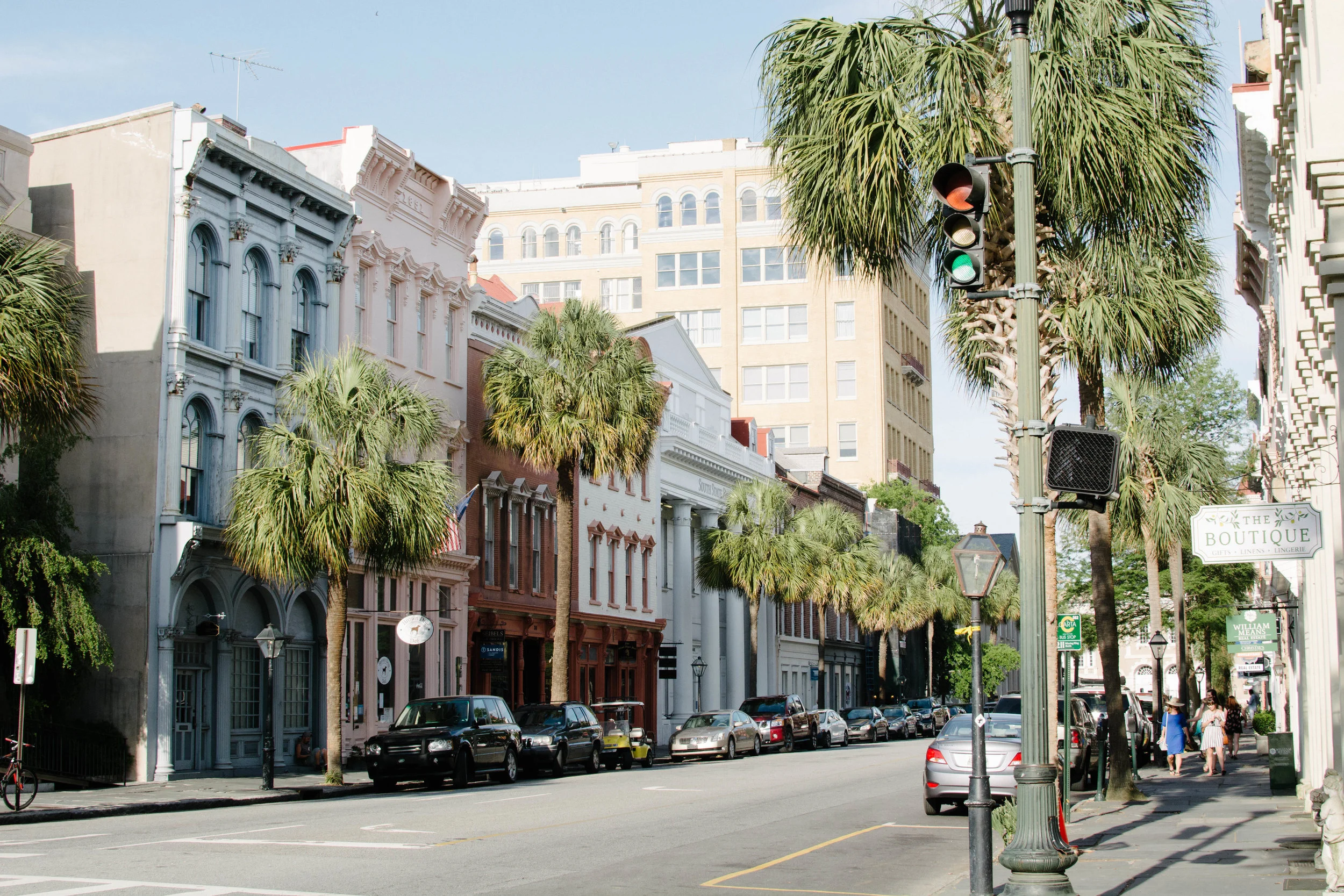
There is so much rich history in Charleston—from its Southern roots to the Creole influence. Add to the mix the amazing food, candy-colored buildings and perfect weather and you can bet I'm already finding an excuse to book my return trip.
For our long weekend in the Lowcountry, we made sure to hit up all of the local favorites and hidden gems that make this city so unique. We were lucky enough to get some inside tips from friends in the area to make the most of our short time here.
Take a look at some of our favorite weekend highlights, so you can get a little inspiration for a trip of your own.
Food + Drink
167 Raw—An intimate raw bar with a bit of Mexican flair. I highly recommend getting there early to get a spot, as it is first-come, first-serve and tables fill up fast. And yes, the lobster roll is as good as they say it is.
Basil Thai—We may have stumbled in by accident (you quickly learn that reservations are pretty much mandatory if you want to get a table anywhere downtown) but for fitting us in at 10pm, this place was good. Opt for the pad thai with shrimp.
Black Tap Coffee—A little off the beaten path, this hipster coffee joint makes an amazing lavender iced latte that is oh-so worthy of your Instagram.
Jeni's Ice Cream—A cute little ice cream shop dishing up unique flavor combinations, like Blackcurrant Lambic, Middle West Whiskey and Goat Cheese with Red Cherries.
Lewis Barbecue—Melt in your mouth barbecue in a bright and relaxed atmosphere. Don't be afraid to get your hands dirty: the ribs are worth it.
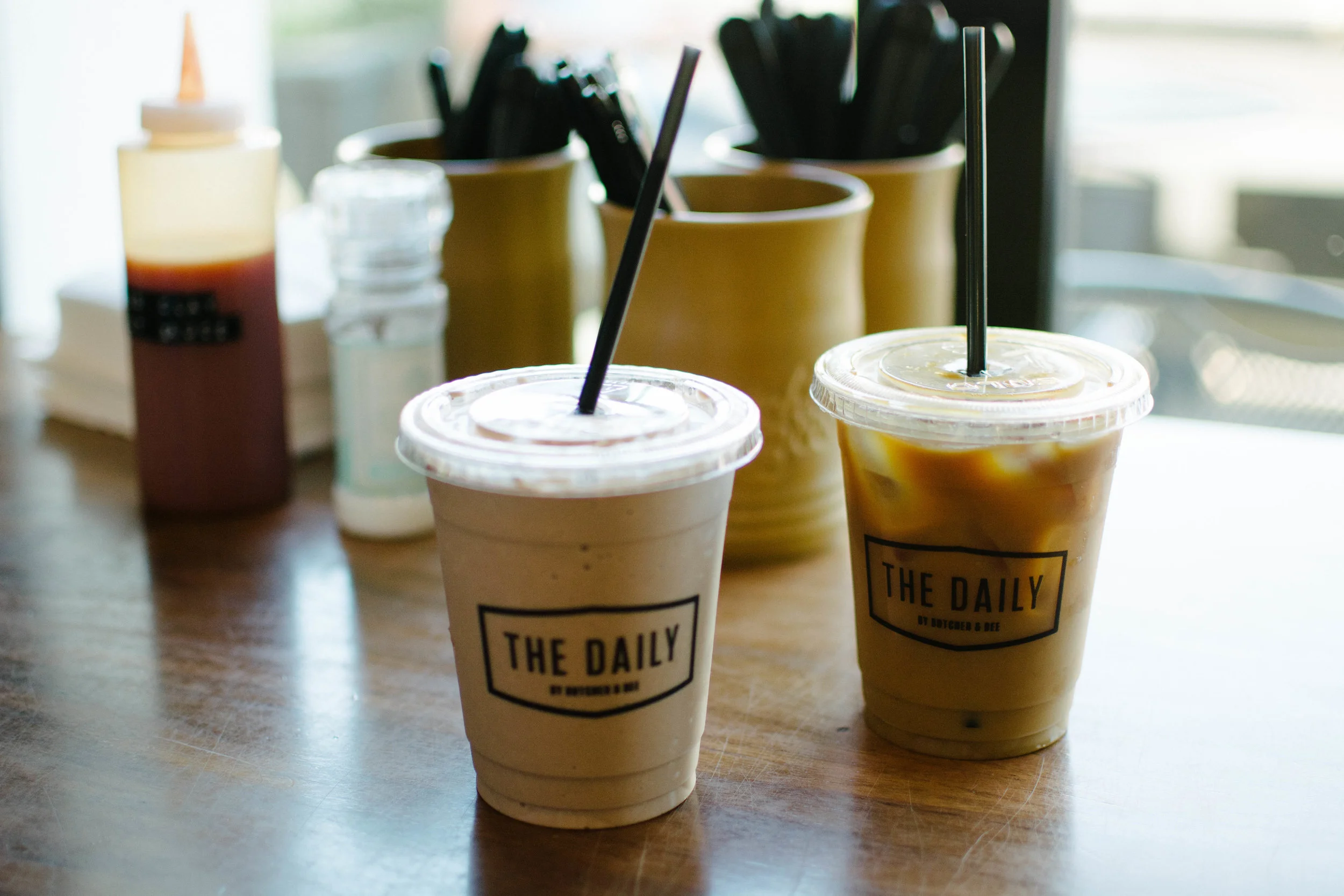
The Daily—The best eggs and avocado toast in Charleston. Stop in for a quick bite before hitting the road.
What to do
Sullivan's Island
Folly Beach
Rainbow Row
French Quarter
King Street Shopping
Angel Oak
Magnolia Plantation Tour
Waterfront Park
Where to stay
86 Cannon
Belmond Charleston Place
Grand Bohemian Hotel Charleston
Market Pavilion Hotel
The Vendue
Zero George
What to wear there



The Best Camera and Gear For Getting Started
Buying a new camera is exciting! But if you’re just starting out, you might not know what to look for. Check out this handy guide of commonly asked questions so you can find the right camera and equipment for you.
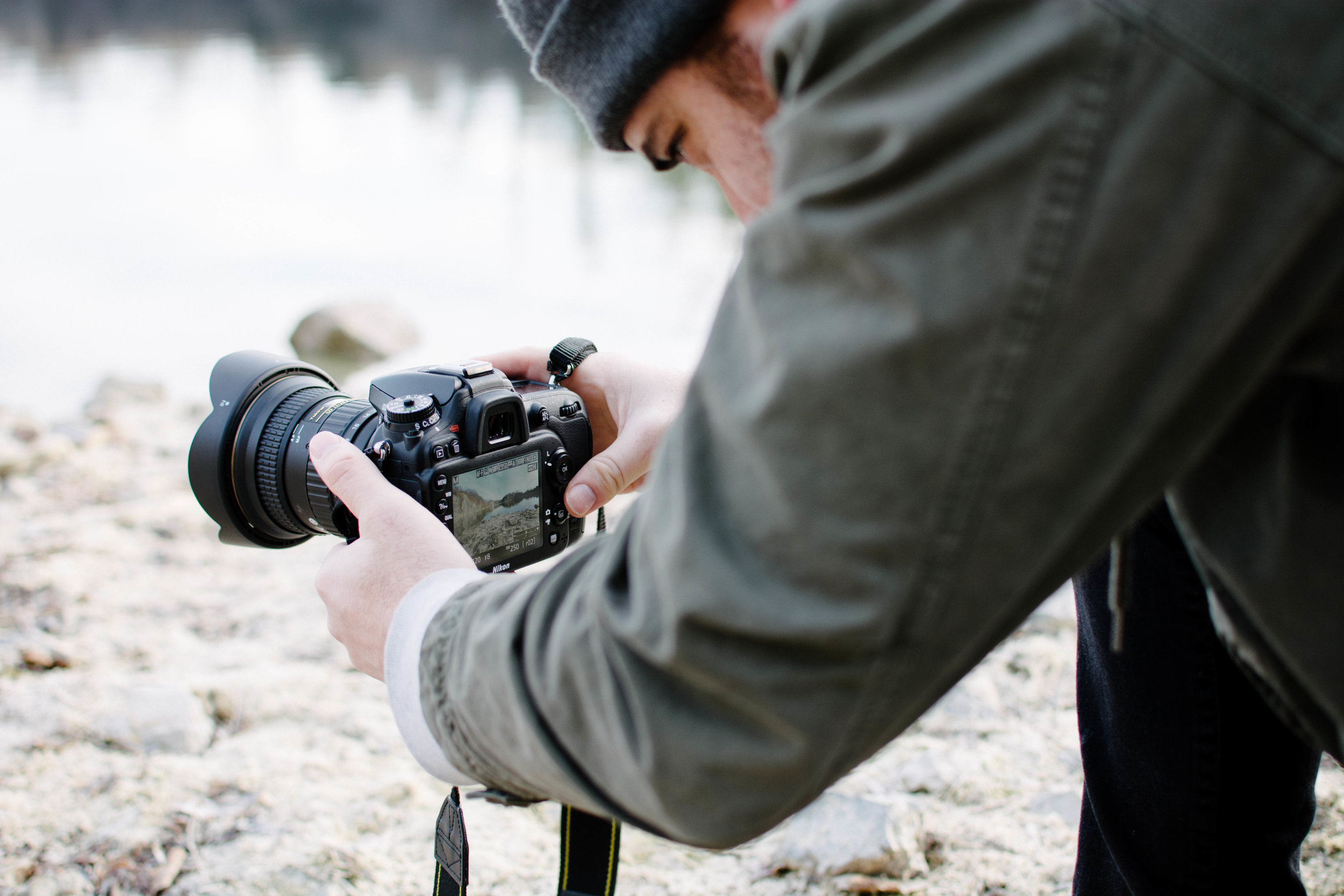
Buying a new camera is exciting! But it can also be a little intimidating. There are so many options available and if you’re just starting out, you might not know what to look for.
A camera is not an impulse buy—you have to really understand what you’re working with. As you continue to practice, you learn a lot about your camera and the accessories that you need to make the most out of your photos.
So whether you’re just starting out or looking to update your gear, I put together this handy guide of commonly asked questions, so you can find the right camera and equipment for you.
I’m just getting started—what should I look for in a camera?
I highly recommend starting out with a beginner DSLR like the Nikon D3400. This is a fantastic camera if you’re a traveler and want to capture stunning photos of your adventures, or someone who wants to create high-resolution images for a website or blog.
This camera takes great photos. It's as simple as that. You could buy a more expensive model, but all you would get is a fancier camera. The Nikon D3400 has all of the functionality that someone who is new to photography or doesn't need advanced features could want (and for a much lower price).
It’s a super lightweight design, which is perfect for taking on-the-go. However, it still packs more megapixels than the Nikon D5, the brand's most expensive professional-grade camera. It can also record up to 20 minutes of HD video.
I love this camera because it gives a professional and polished look to my landscapes and portraits. I’m able to choose an ideal depth of field and feature my subjects more prominently than if I had used my iPhone camera. The latest versions even feature Bluetooth capabilities, so you can transfer images right to your phone.
This system puts aside all technical verbiage or need to learn complex controls and settings. If you’re just starting out with photography, the Guide Mode is a great feature of this camera. It walks you through several image options in order to get the control and effect that you want over the final image.
Whether I’m shooting on automatic or tweaking the manual settings, I can always trust this camera to take a great photo.
Shop the story
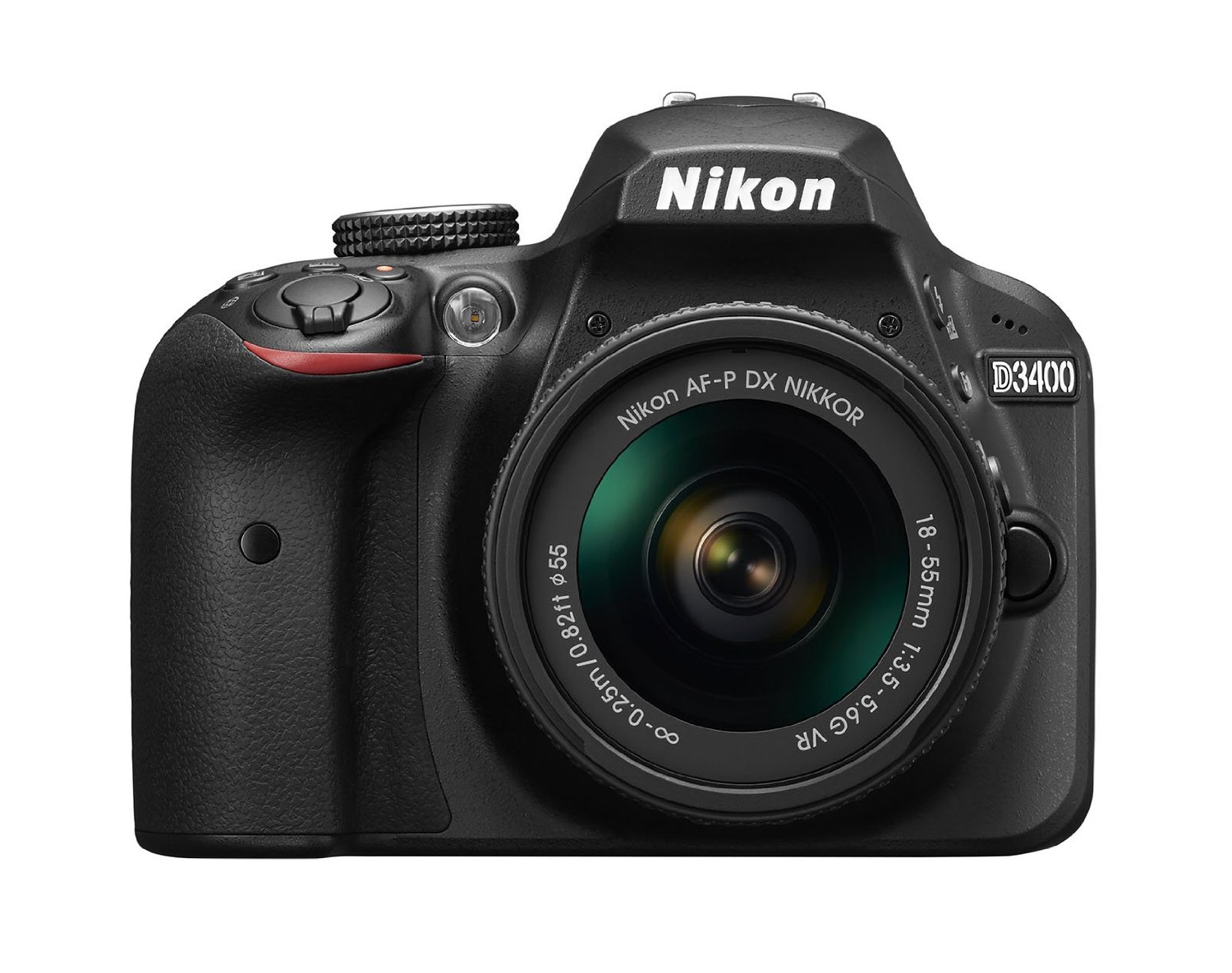
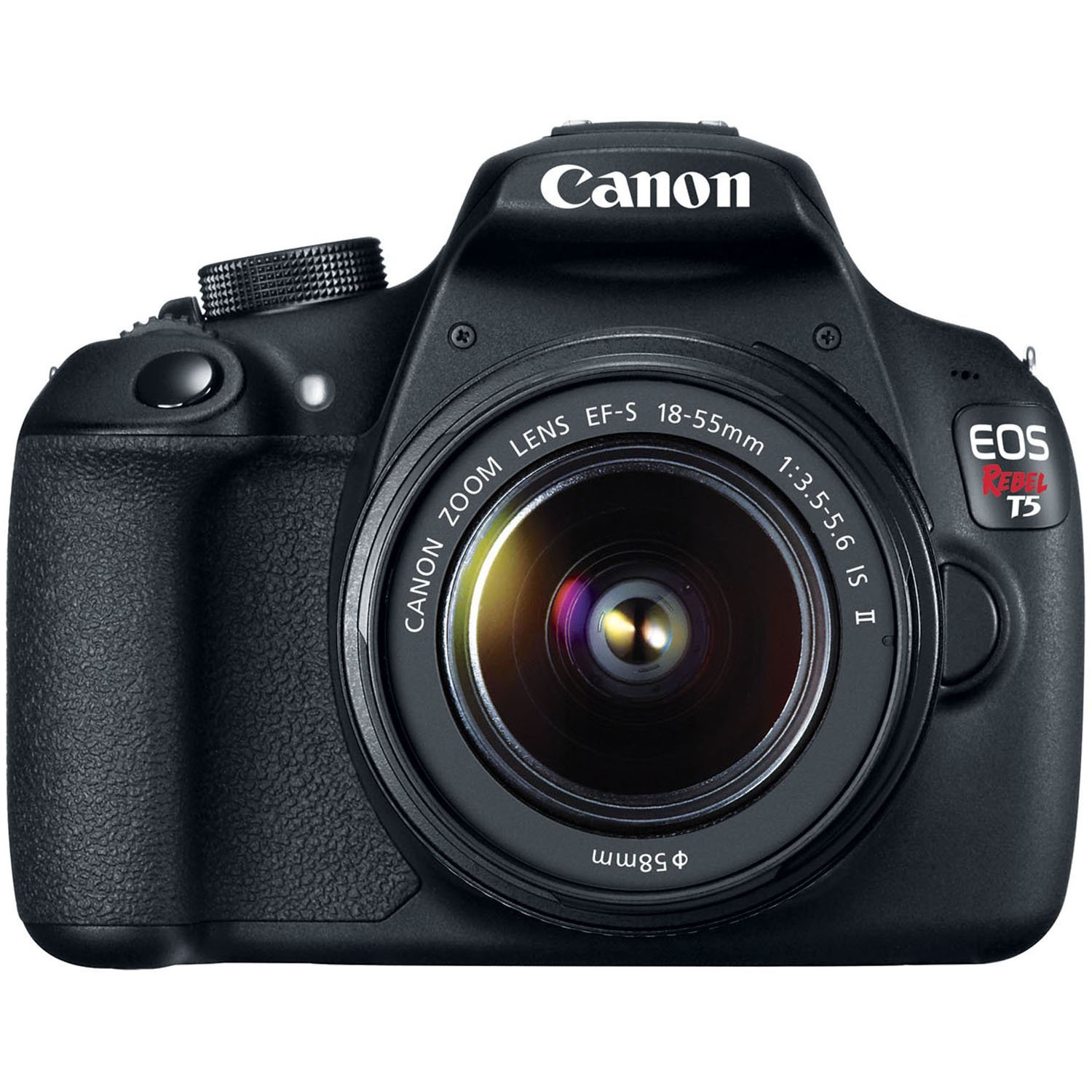
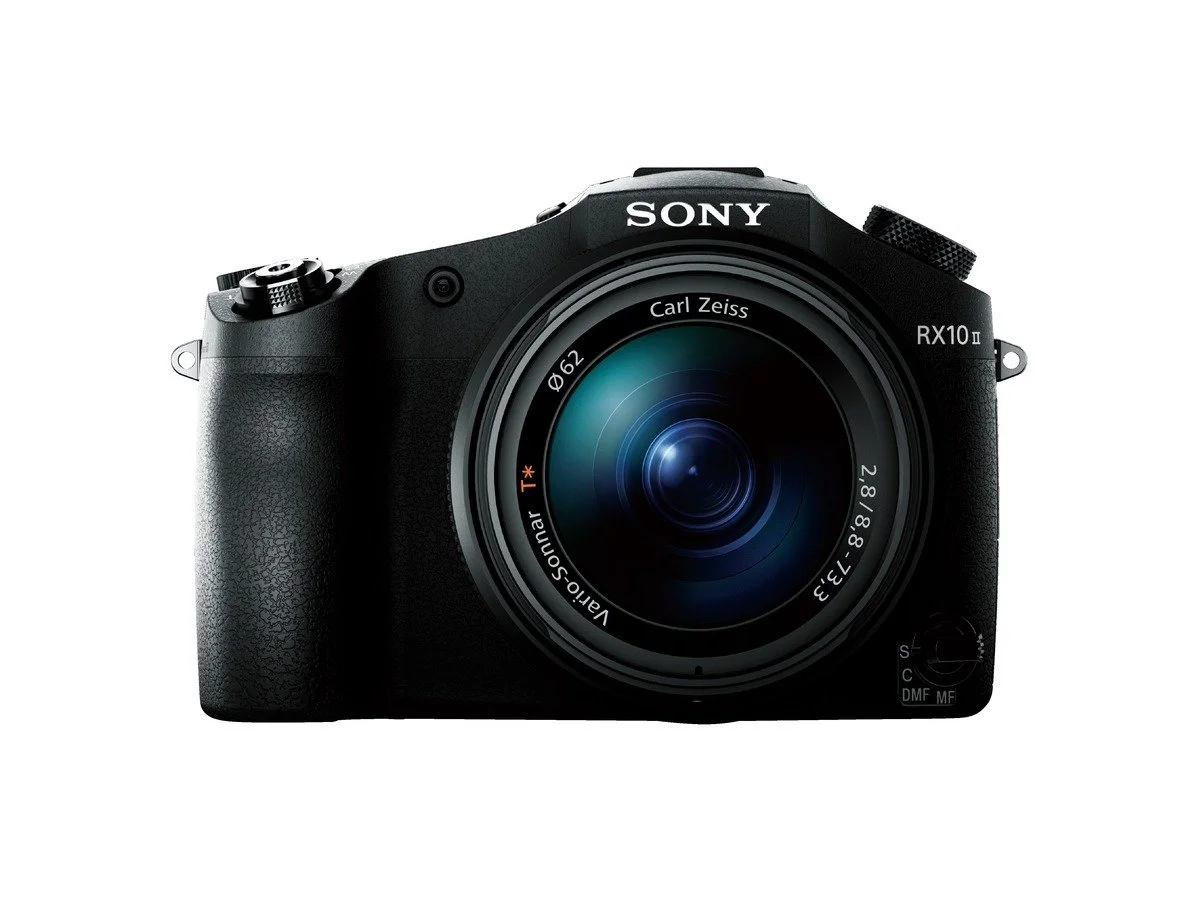
Nikon D3400 / Canon EOS Rebel T5 / Sony DSC-RX10M II
Are there any must-have camera accessories you recommend?
Tripod
A tripod is a must if you’re looking to take long exposures and night photography. It’s also nice to have if you’re taking a trip and don’t have anyone else to take photos of you. Make sure you find one that's sturdy and reliable—there are some great, affordable options on Amazon.
Pro Tip: Getting a lens or a camera body with vibration reduction built-in allows you to handhold your camera at a slower shutter speed without the use of a tripod.
Memory Card
You can’t shoot without a memory card, so this is a definite must. We also like to keep a backup memory card on us, especially when traveling because you might not have access to your computer to transfer over any photos.
Backup Hard Drive
Depending on the image format that you shoot in, your files can take up a lot of space on your hard drive. The higher the image quality, the larger the file size. A backup hard drive is nice to have so that you can store your photos without taking up much room on your computer's hard drive.
Plus, it’s nice to have backup storage for your photos—memories last forever, computers don't.
Camera Bag
I use a North Face backpack as my camera bag. Traditional camera bags aren’t really my style and this backpack is a lot more functional. The exterior is weather proof, so my equipment is protected inside. I also like that there’s a strap on the front to keep it secure when I’m hiking and to evenly distribute the weight.
Shop the story
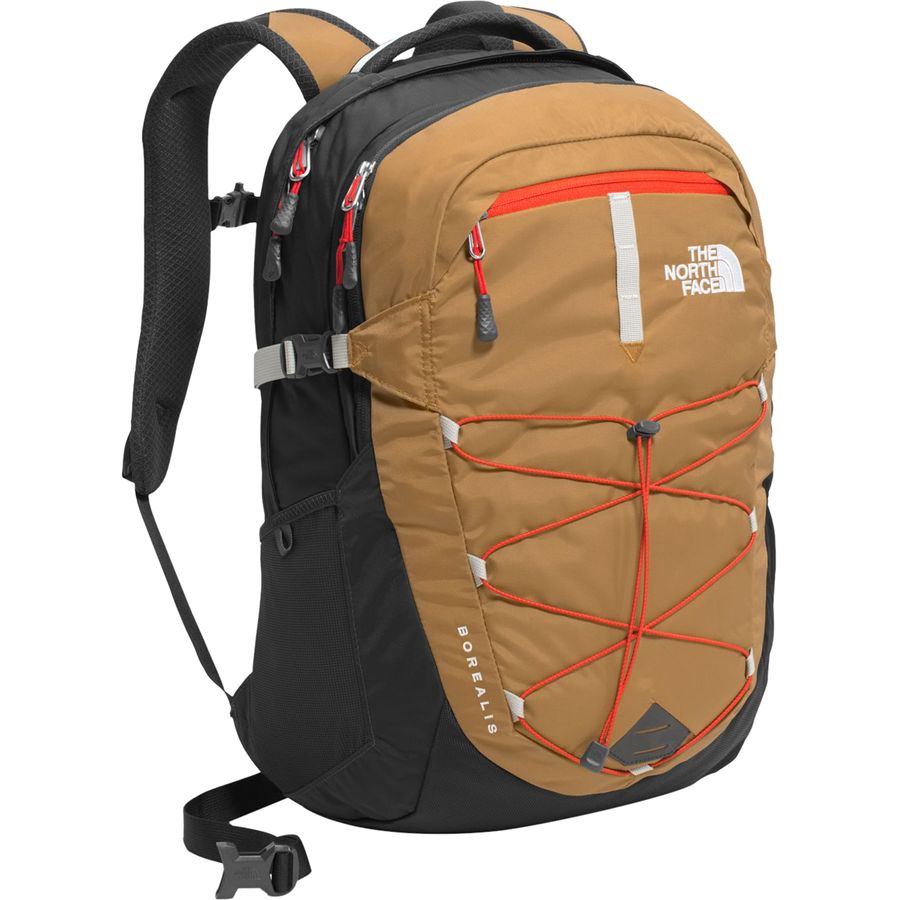
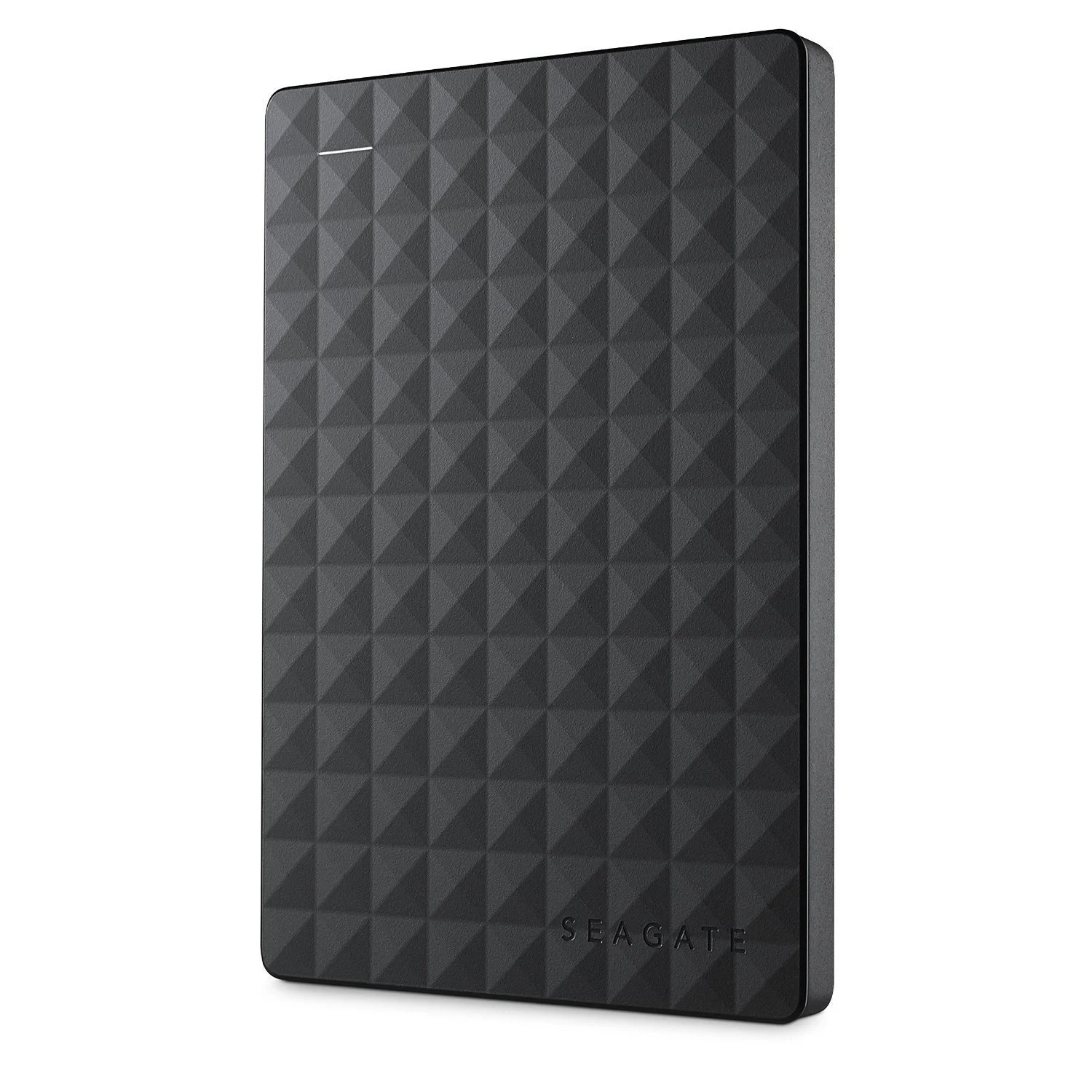
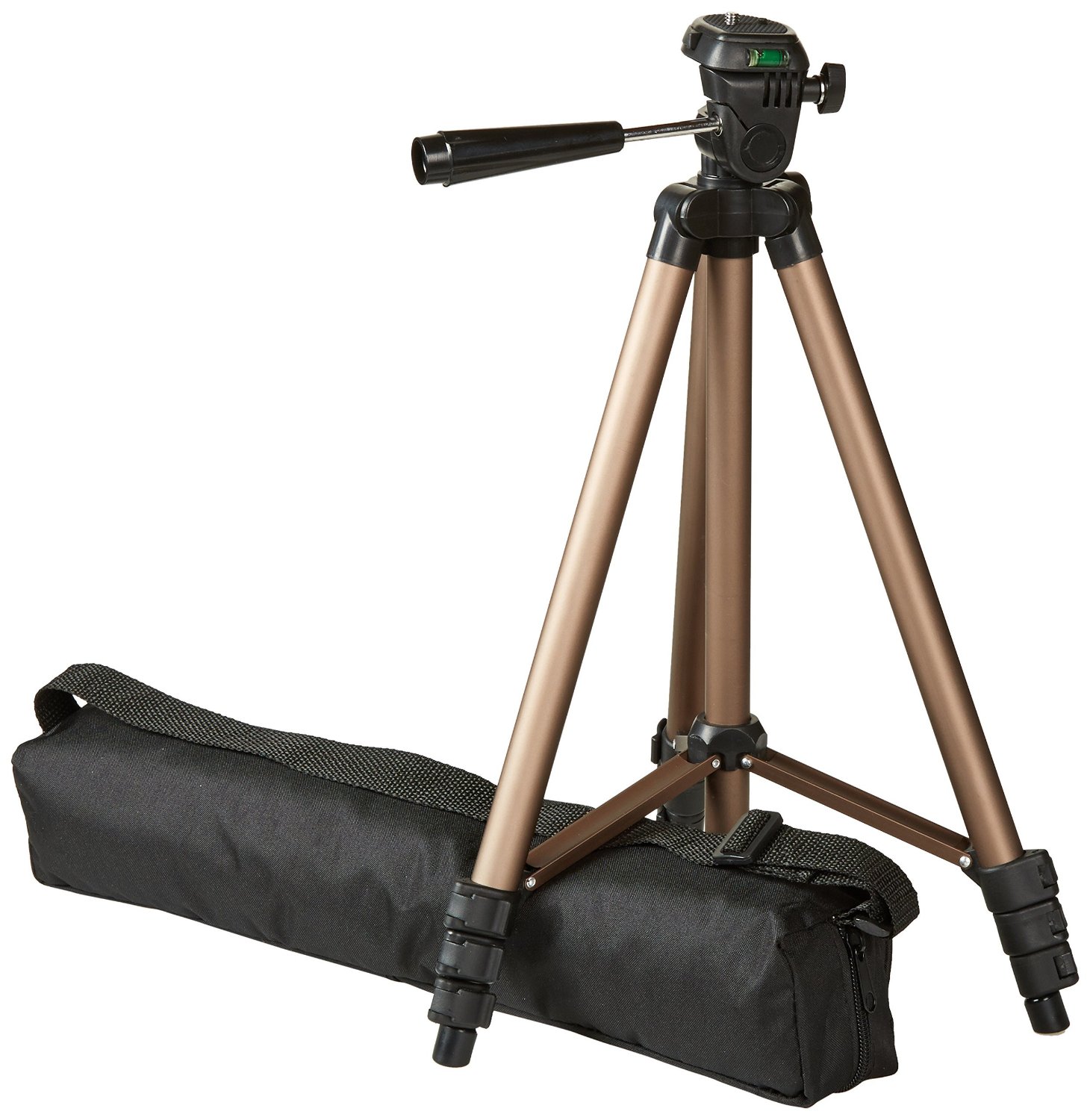
The North Face Borealis Backpack / Seagate Portable Hard Drive / Amazon Basics 50" Tripod
What camera do you use for the blog?
We both use a Nikon D7100. It gives us all the functionality of a pro-style camera, but it’s a lot more affordable.
Because it’s a crop-sensor camera, there’s a wide variety of lenses (which I’ll go into later) and they tend to cost a lot less, too.
What camera lenses do I need?
For most people, the standard all-in-one zoom lens will work perfectly. This is a versatile lens that allows you to capture whatever scene you’re working with. It often comes standard on your new camera.
If you’re looking to improve your photos and upgrade your lenses, here are a few more options and when you would use them:
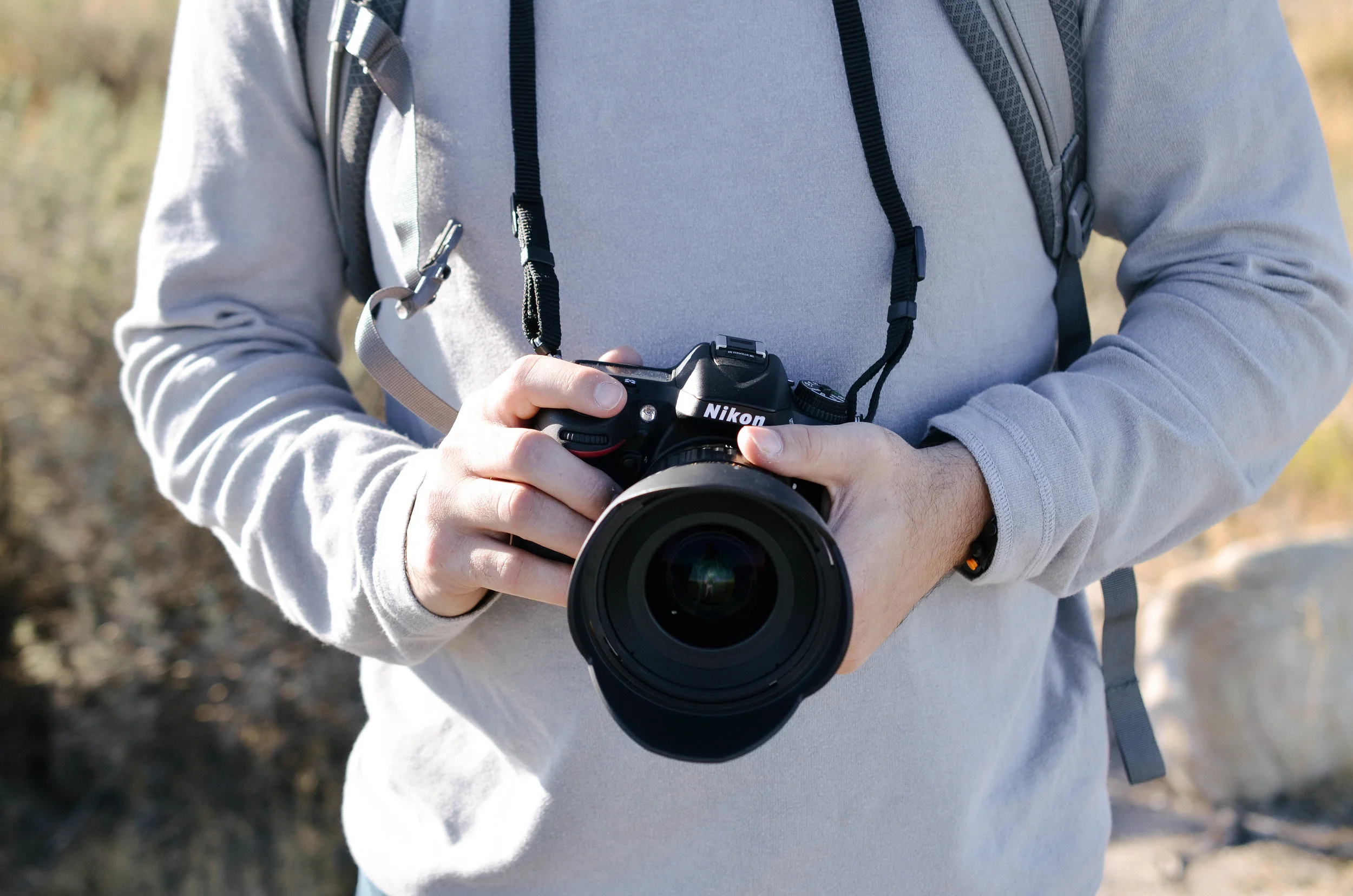
Wide Angle Lens
A good range is a lens that falls anywhere from 10 to 35mm. This gives you a wider angle of view and is best for landscapes and group photos. We also like to use it for some of our videos.
Prime Lens
This is a lens with a fixed focal length. It can’t be adjusted like a zoom lens, but you can shoot at larger apertures and quicker shutter speeds. The picture quality is generally better because any distortion or vignetting in your photos will be less visible. I recommend going for a 35mm or 50mm 1.8 lens— the former is best for versatile use, while the latter is best for portraiture.
Macro Lens
A macro lens allows you to get closer to your subject and gives you a 1:1 magnification. I like to use this for taking pictures of small objects like insects, flowers and even some portraiture. This lens can tend to be a bit more expensive, but it takes beautiful photos.
Telephoto Lens
This is a great lens for taking pictures from a distance or objects in motion, like nature and sports. Most kit telephoto lenses work perfectly fine when used in the daytime, however, you will need a tripod for shooting with this lens at night.
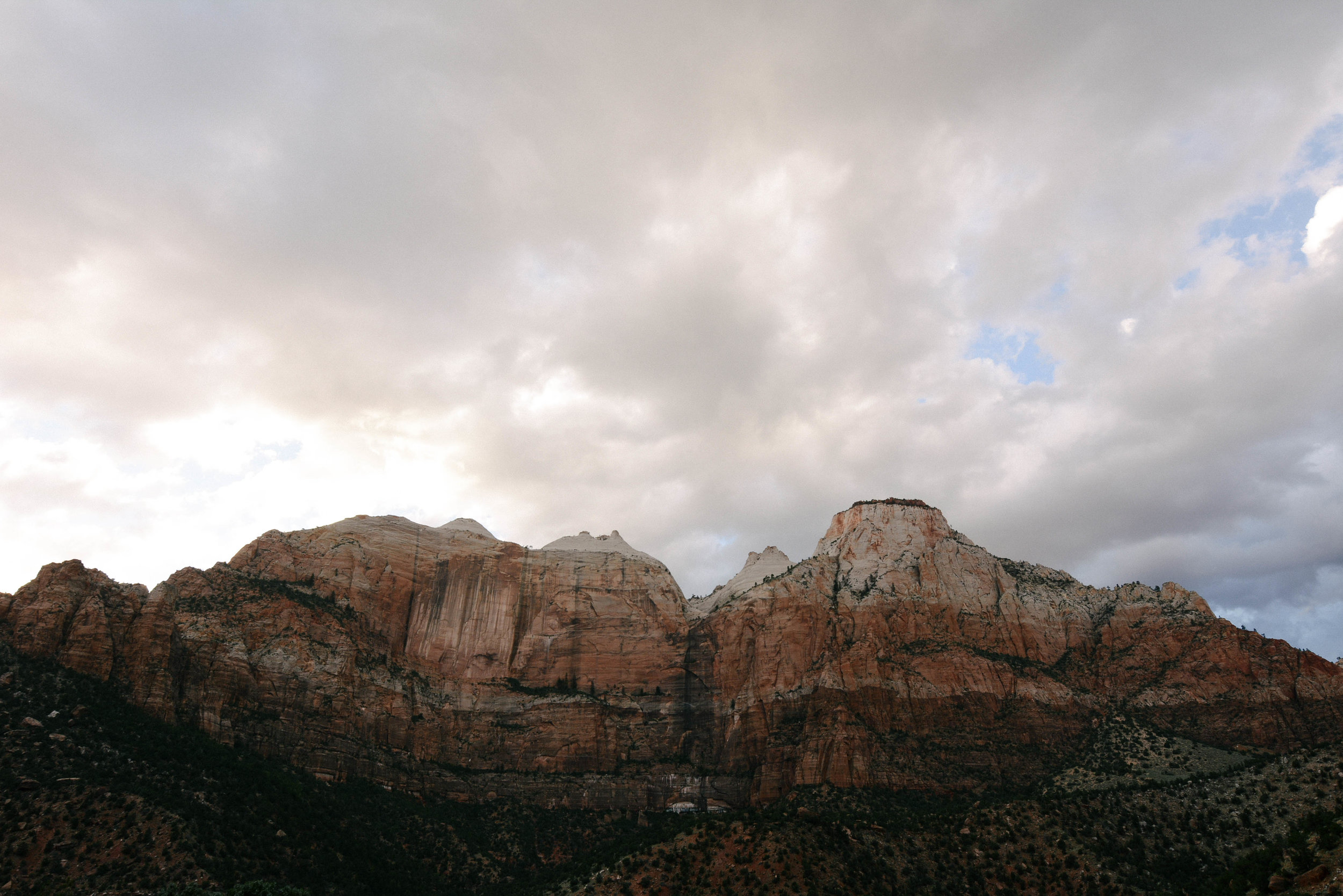
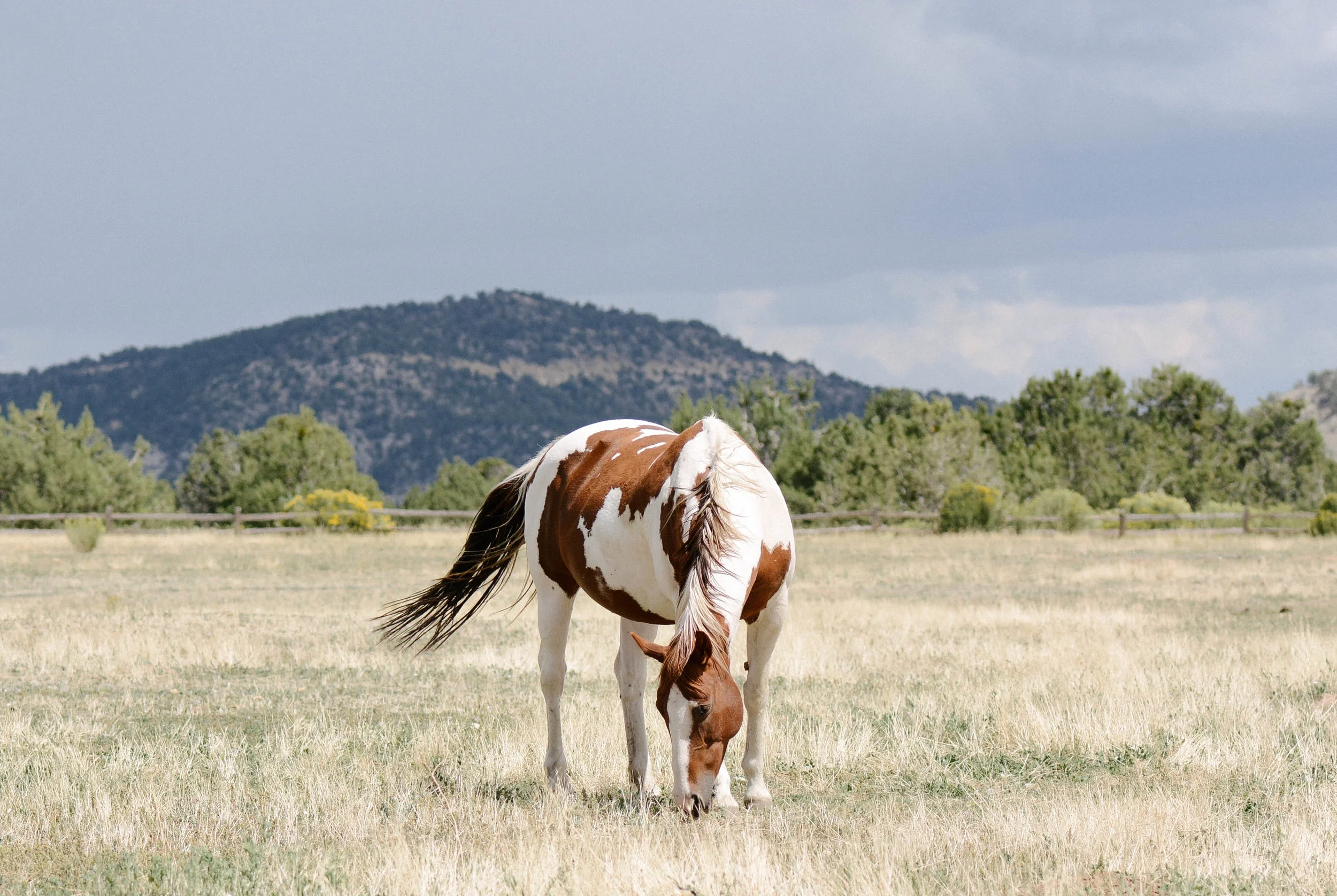
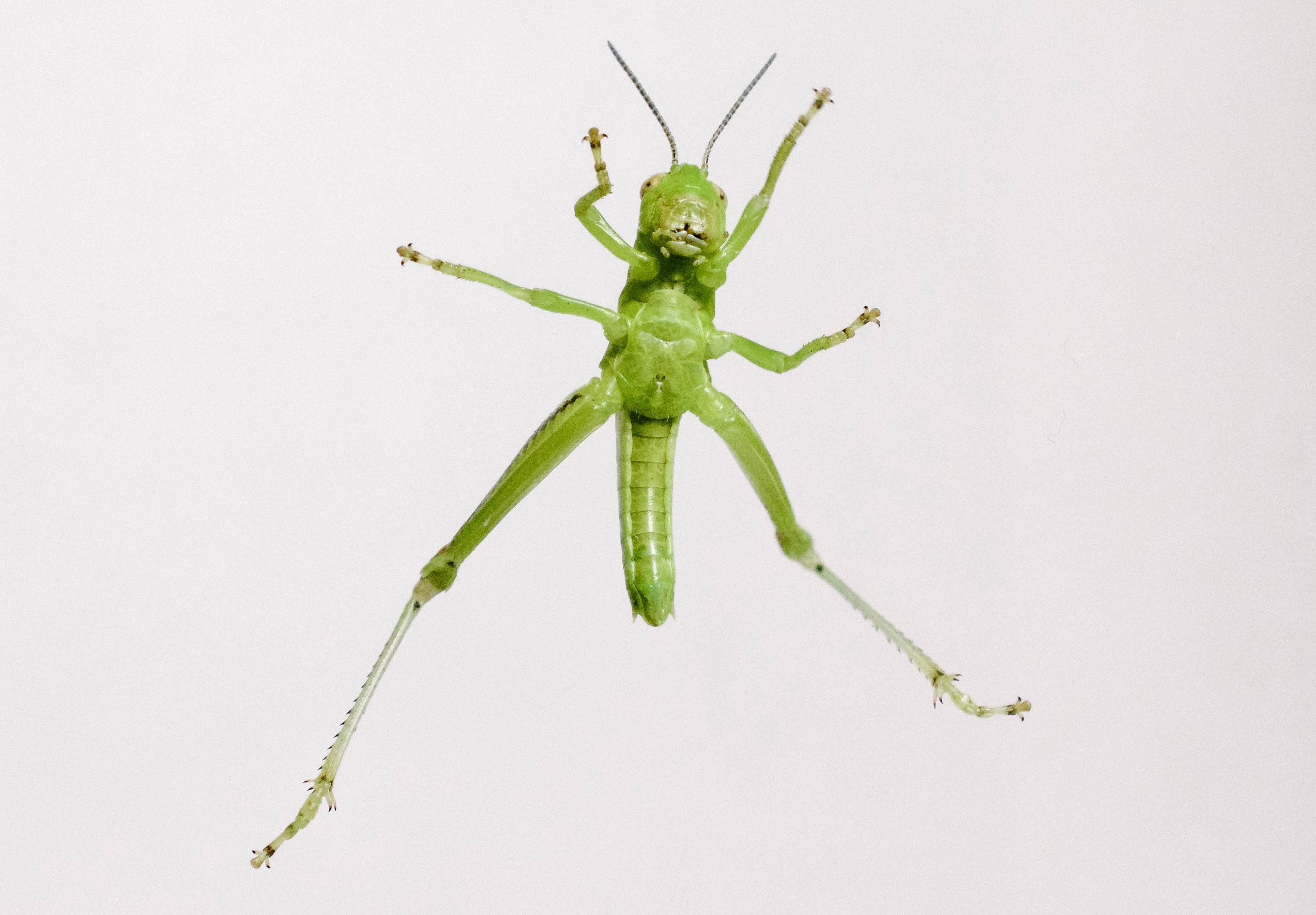

From L to R: Wide Angle, Telephoto, Macro, Prime
Shop the story
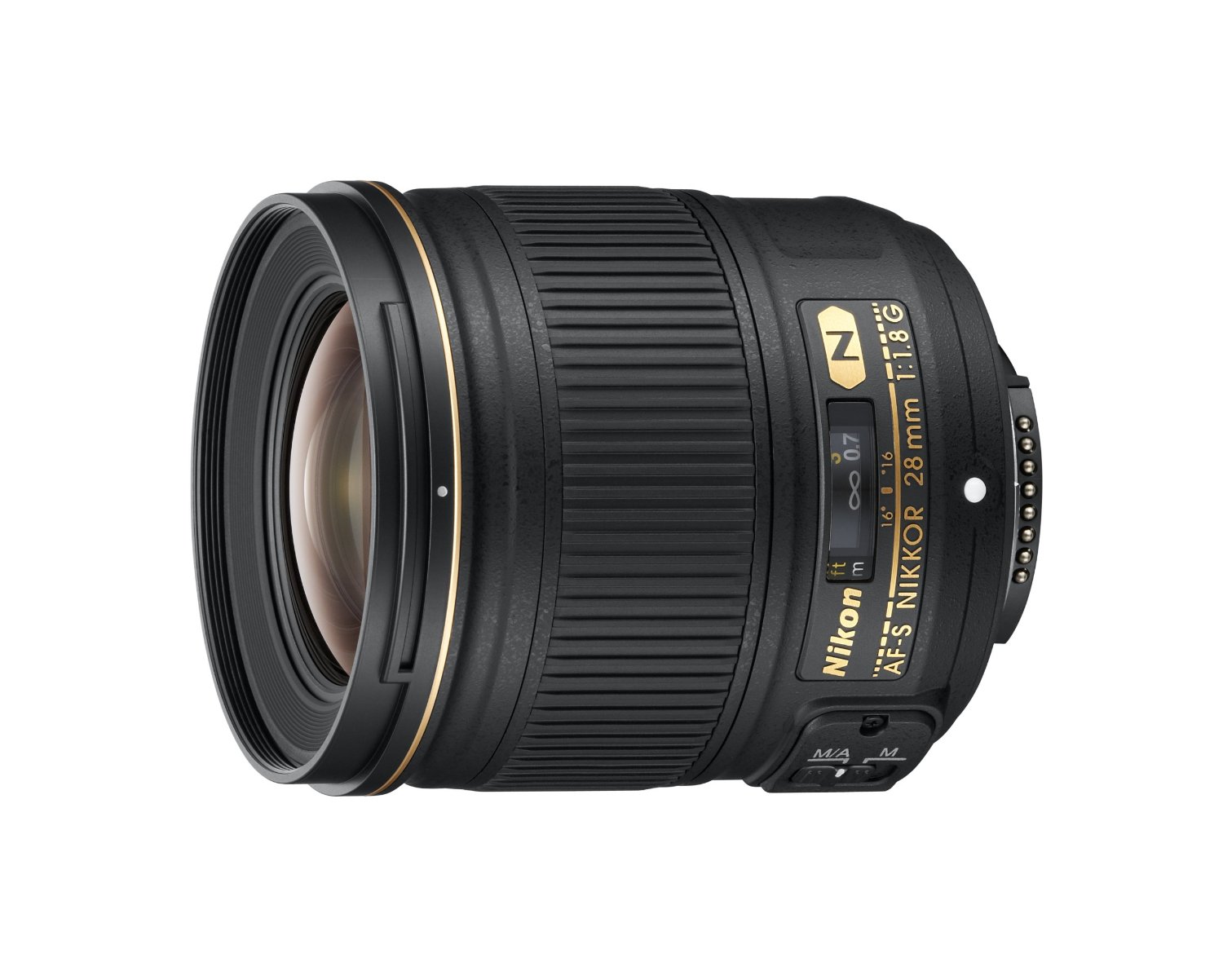
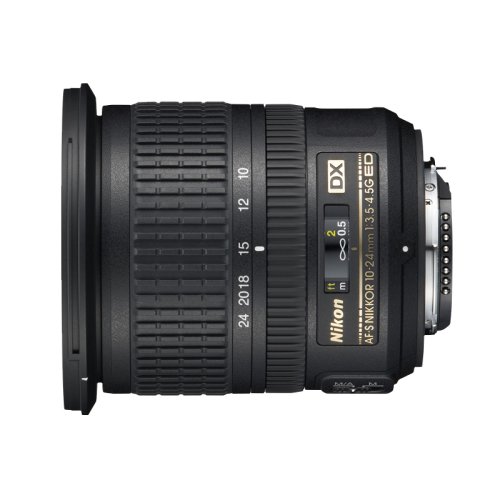
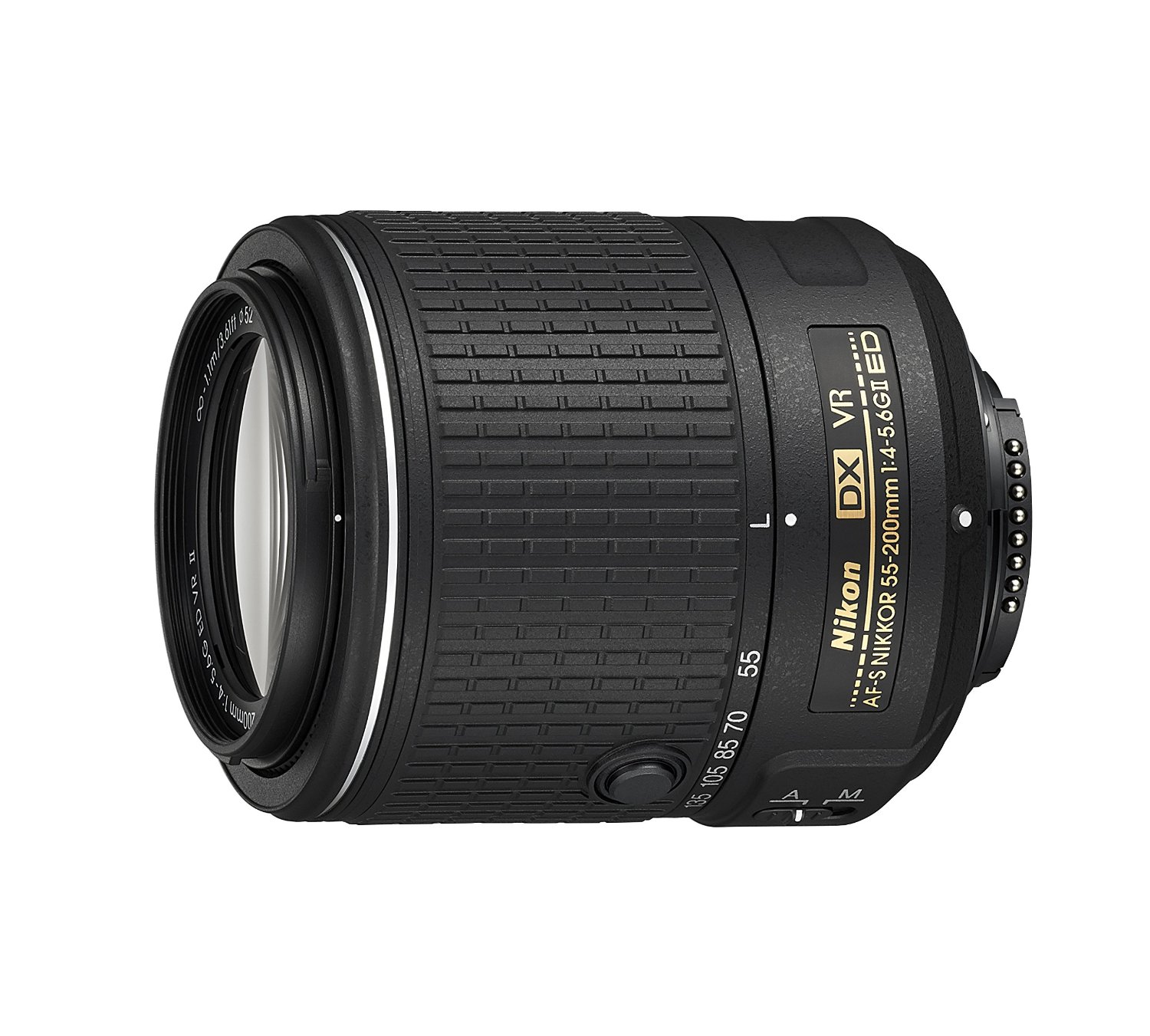
Nikon NIKKOR 28mm f/1.8 Wide-Angle Lens / Nikon NIKKOR 10-24mm Zoom Lens / Nikon NIKKOR 55-200mm Vibration Reduction Zoom Lens
I have a small budget, what do you recommend?
If your budget is small, that’s ok! Regardless of your body and lens, ultimately your technique and composition are what really matters.
The Nikon D3400 or the Canon Rebel T5 is a great place to start and the lens it comes with is a great option for transitioning to a DSLR camera.
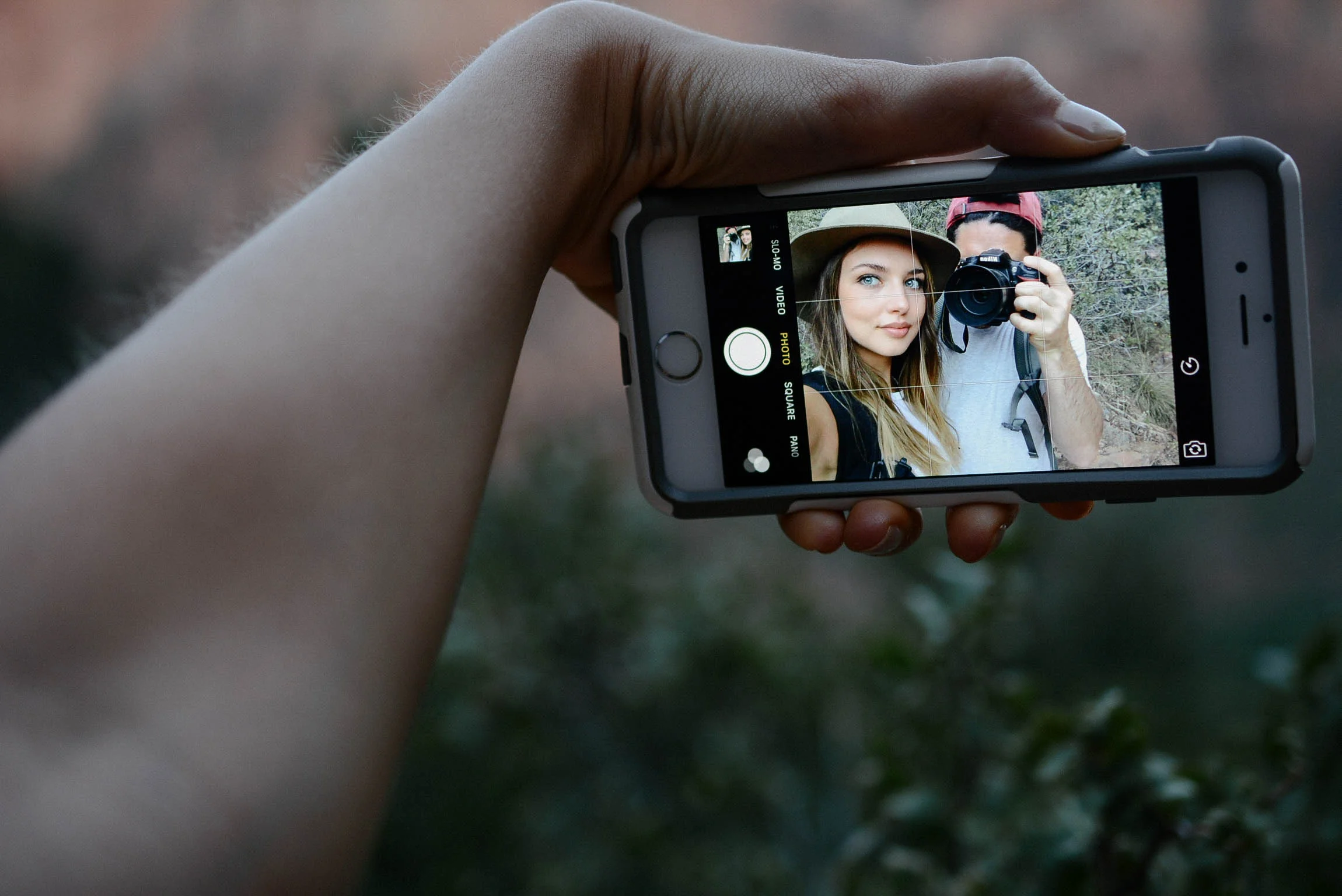
If you’re not quite ready to invest, the cameras on the latest iPhones are really powerful and just keep improving with each new release.
An added bonus? You’ll always have your camera within reach.